Journey Through the Unknown: 7 Hidden Facts About Tulips
Posted on 29/08/2025
Journey Through the Unknown: 7 Hidden Facts About Tulips
Delicate, vibrant, and captivating, tulips have charmed nature lovers and garden enthusiasts for centuries. While their colorful blooms adorn landscapes worldwide, few realize how enigmatic and fascinating their story truly is. Embark on a journey through the lesser-known corners of tulip history, botany, and symbolism with this comprehensive, SEO-optimized exploration of 7 hidden facts about tulips. Discover unique variations, intriguing episodes, and astonishing secrets that make the world of tulips far more than a pretty face.
1. The True Origins of Tulips: More Than Just Dutch Darlings
Although the tulip is often synonymous with the Netherlands, these beautiful blooms possess a much older and richer history. Tracing the original roots of tulips unravels a tale that moves far east of Dutch windmills and into the dramatic mountain ranges of Central Asia.
From Wild Steppes to Royal Gardens
- Tulips originated in the valleys and highlands of modern-day Kazakhstan, Uzbekistan, and nearby regions.
- Ancient Persians and Turks cultivated wild tulips, prizing their vivid colors and symmetry as early as the 10th century.
- The flower's name, derived from the Persian word delband (meaning turban), hints at their cultural importance and turban-like shape.
It wasn't until the 16th century that tulips made their way to Europe, carried along trade routes from the Ottoman Empire into the gardens of Vienna and eventually the famous Dutch bulb fields.
2. Tulip Mania: The World's First Economic Bubble
One of the most astonishing tulip facts lies in financial history. In the 1630s, the Netherlands witnessed a frenzy known as Tulip Mania, where tulip bulbs became the ultimate status symbol--and speculative commodity.
The Rise and Fall of Tulip Mania
- Tulip prices soared to unprecedented heights, with some rare bulbs worth more than gold or a posh Amsterdam canal house.
- At its peak, tulip contracts were exchanged on stock markets and in taverns, making and breaking fortunes overnight.
- In 1637, the bubble abruptly burst, leaving investors ruined and cementing tulip mania as the prototype for modern speculative bubbles.
This episode serves as a cautionary tale about the unpredictable intersection between beauty and economics!
3. Tulip Varieties: A Hidden World of Diversity
Many admire rows of classic red or yellow tulips, but the tulip genus boasts a much larger and more diverse botanical repertoire than most realize.
Marvels of the Tulip World
- There are more than 3,000 registered tulip varieties, each with distinctive colors, shapes, and blooming times.
- Wild tulips range from diminutive, star-shaped species to flamboyant, fringed, or parrot-petaled hybrids.
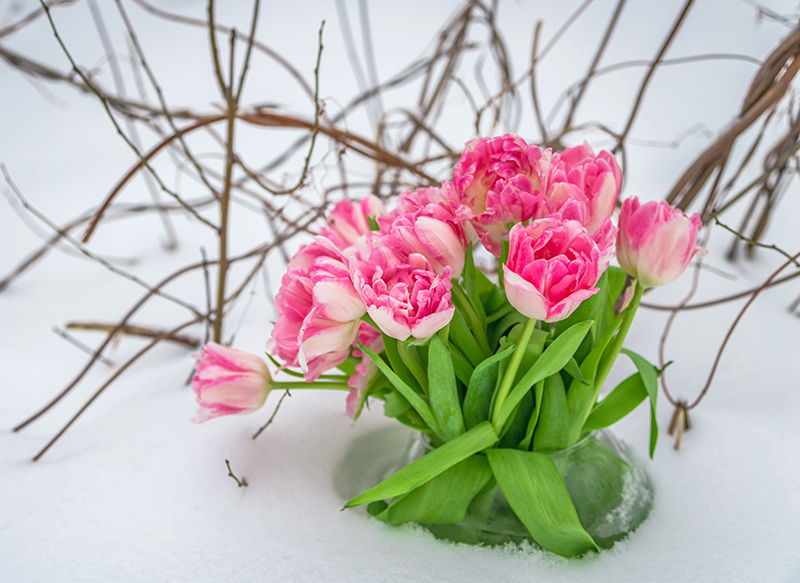
- Tulips can be single-flowered, double-flowered, triumph, fringed, or even Rembrandt tulips with dramatic streaks and flames.
This hidden diversity ensures that every lover of tulips can find a variety to suit any taste or garden style. From historical specimens to modern hybrids, tulips are continually evolving through the ingenuity of breeders and nature alike.
4. Tulip Colors and Hidden Meanings: More Than Meets the Eye
While their eye-catching hues brighten spring gardens, tulip colors have rich symbolic meanings rooted in folklore and cultural tradition. Choosing a tulip for an arrangement or gift can be more meaningful than it first appears!
Symbolism by Color
- Red tulips: Represent true love and passion--a classic Valentine's Day choice.
- Yellow tulips: Once associated with jealousy, now symbolize cheerful thoughts and sunshine.
- White tulips: Stand for forgiveness, purity, and honor.
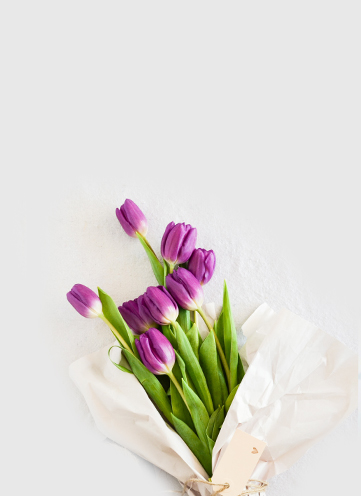
- Purple tulips: Signify royalty and nobility, tying back to their exclusivity in Ottoman gardens.
- Variegated tulips: Traditionally express beautiful eyes and admiration.
Incorporating tulip color symbolism into your floral displays can create new layers of meaning--a hidden language of flowers that speaks volumes.
5. The Surprising Edibility of Tulips
Did you know tulips are edible? While most people value tulips solely for their aesthetic beauty, some parts of the plant have historically been used as a food source--especially in times of scarcity.
Culinary Uses and Historical Significance
- During World War II, parts of Europe suffered acute famine. In the Netherlands, tulip bulbs became makeshift emergency food when bread and potatoes ran out.
- Bulbs can be cooked, roasted, or ground into flour, though care should be taken--not all varieties are safe, and some contain toxic compounds.
- Tulip petals contain a mild, cucumber-like flavor and are sometimes used as garnishes or in salads, adding a splash of color and intrigue.
While not a staple for today's kitchen, their edible nature further reveals the tulip's resilient place in human culture.
6. Tulip Festivals Worldwide: Celebrations of Beauty and Culture
The tulip's global journey is celebrated far and wide, with major festivals from Europe to Asia and North America. These vibrant events offer insight into the tulip's enduring allure and its role in shaping local cultures.
Blooming Around the World
- Keukenhof Gardens in Lisse, Netherlands: Known as the "Garden of Europe," showcasing over seven million spring bulbs each year.
- Skagit Valley Tulip Festival, Washington State, USA: A springtime spectacle drawing hundreds of thousands of visitors.
- Istanbul Tulip Festival, Turkey: Honoring the tulip's Ottoman heritage with public gardens awash in color.
- Canadian Tulip Festival, Ottawa: Celebrating a postwar friendship with the Netherlands, when Dutch royalty gifted bulbs to Canada in gratitude.
These global festivals celebrate nature, art, culture, and history--united through the timeless appeal of tulips.

7. Hidden Mysteries in Tulip Biology: The Science Behind the Beauty
Peel back the layers of stunning blooms, and you'll find that tulips hide remarkable botanical secrets. Scientific research into tulips reveals fascinating aspects of plant adaptation, genetics, and environmental interaction.
The Secret Life of Tulips
- Tulips are thermonastic, meaning their petals open in warm weather and close at night or during rain--an adaptation to protect reproductive organs and conserve energy.
- The vibrant patterns seen in some tulip varieties (like the famed Rembrandt tulips) arose from a viral infection--the "Tulip breaking virus"--which caused streaks and flames much coveted in the 17th century.
- Tulip bulbs are geophytes, storing nutrients underground during summer dormancy to survive harsh winters and bloom with vigor come spring.
- Recent advances in genome sequencing are unveiling new tulip species and helping breeders develop even more resilient, colorful varieties for the future.
Each tulip bloom is a minor miracle--a culmination of biological adaptation, environmental history, and human ingenuity.
Conclusion: Rediscover Tulips with a New Perspective
The next time you stroll through a tulip field, visit a festival, or place a vase of these blooms on your table, remember: tulips are not just decorative flowers. They are living links to ancient cultures, silent witnesses to economic bubbles, survivors of harsh times, and ongoing wonders of science and genetic diversity.
- Explore their wild origins in Central Asia.
- Remember the remarkable tale of Tulip Mania.
- Marvel at the astonishing variety within a single genus.
- Consider the power of color symbolism in your next bouquet.
- Appreciate their historical role as an emergency food source.
- Participate in tulip festivals and preserve their cultural legacy.
- Stay curious about the evolving science behind their beauty.
Journey through the unknown with every tulip you encounter, and let these hidden facts bloom anew in your imagination--proving once again that tulips are much more than meets the eye.
FAQs About Tulips
- Are tulips poisonous to pets?
Yes, tulips can be toxic to cats, dogs, and horses if ingested. The bulb is especially dangerous, so keep them out of reach from curious animals. - How long do tulip blooms last?
Tulips typically bloom for 1-2 weeks in spring, depending on the cultivar and local weather conditions. - Can tulips be grown indoors?
Yes! With the right chilling period and soil, tulips can be forced to bloom indoors, brightening homes during late winter.
Intrigued by these hidden tulip facts? Share your tulip stories or discoveries in the comments and help others become fellow travelers on the journey through the unknown world of tulips!
Latest Posts
Journey Through the Unknown: 7 Hidden Facts About Tulips
Enjoy a Forever Bloom with These 12 Flower Choices
Essential Orchid Care Guide for Long-Lasting Beauty